🕯 The importance of Symbolism in Horror is not what you might think🌑👑🩸🕯
Be
The Bite Interactive is a multimedia studio, specializing in narrative
horror & innovation🔮📓1-1 narrative mentoring now available, sign up here: bio.site/bethebite
I want to talk symbolism in horror. Is symbolism in horror even important? The short answer is: yes. But the mistake that writers and directors make is intellectualizing symbolism. So let me break down the easy way to make symbolism work for your horror media.
Symbols, by definition are recognizable imagery by the subconscious that imply meaning from cultures or by themselves i.e. bat, represents darkness, nocturnal-ism, inner reflection (cave)
Basically, fiction relies on the written word. Even if spoken, put to screen or gamified. In literature, readers love to see meaning in texts beyond their initial intent. But in the west, symbolism is used to define something as finite. Not so much in the east, where representations of things can simply exist. Eastern mythology for example relies on symbolism to further the experience of the myth.
So with that in mind, I think its wise to consider the subtext of symbols, as they are important in furthering your fiction's enjoyment.
If you are trying to make a room feel haunted, try to delve into the audiences experiential perception of the story. Instead of:
'The room felt ghastly, like it had me frozen by the clenches of evil.'
Replace it with experiential symbolism like this:
'The crisp white curtains fidgeted, possessing the edge of the room. For a gale had caught it, sending shivers down my spine. The movement directed my attention to the blackened raven statue, that clenched a decayed branch. I was stuck to the spot, immovable in fright.'
This is a far more visual representation, but it would translate easily across cultures.
So we move from finite to experiential in our horror symbolism. There are tonnes of sites dedicated to defining symbols and their meaning, however it is Joseph Campbell who suggested that is still linear thinking. And that we should look to our inner guides to see meaning, not rely on external definitions by literary authoritative means.
I'll break down media examples of symbolism for you to think about their experiential meaning yourself:
The shining

The “monster” in the shining is a mixture of the hotel, and ultimately Jack himself. The horror symbols shift from the hotel itself, with zany carpets and rooms that don't make sense. They evolve into the external monster of Jack, where he becomes enigmatic and violent through Jack's insanity.
There are clever uses of symbolism throughout this movie, and in the book too. The hotel's empty halls and nighttime sequences symbolize many things. It makes for a isolating experience, and subverts audiences expectations about Jack Torrance as he descends into madness.
There are frequent symbols of native American themes, especially in the book that allude the supernatural horror of the hotel. The audience begins to think about unrest-ed spirits and karmic consequences just through mentions of burial grounds.
In the movie, the maze is added as a labyrinthine symbol. This mirrors the labyrinthine layout of the hotel, again repeating that the characters are trapped. This leverages the myth, The Minatour and makes you the audience feel a sense of terror that there might be a beast awaiting at every corner.
Resident Evil
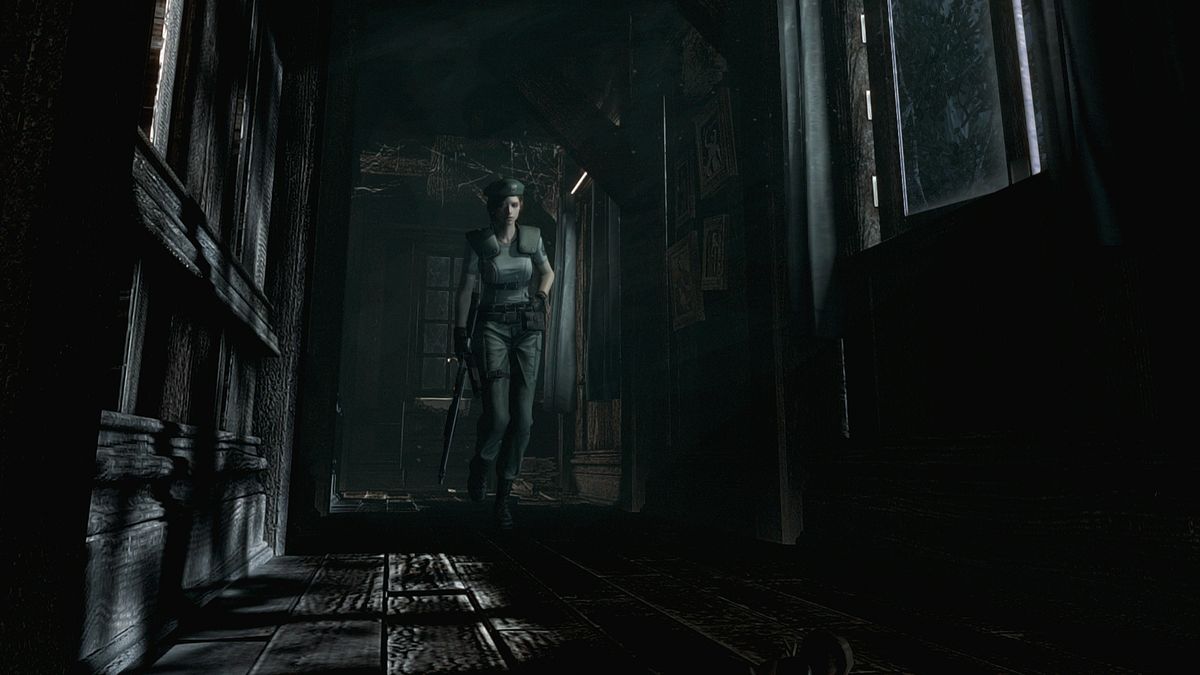 In the game series, there are frequent mysterious symbols and artifacts that make the audience feel thrilled and challenged.
The mansion is in itself a symbol, of abandonment and secrecy. This furthers the mystery of the zombie outbreak, and makes the later scenes much more satisfying. Zombies themselves are symbols of biology, identity and you can get the sense that these are both victims and employers that blindly followed the bio-experimentation.
The more fragmented and strange the monsters become, the more the player sees the symbol of science without ethics and terror at every turn. The monsters in the game are experiential symbols, that must be destroyed.
The series does a great job at using setting, monsters, artefacts, iconography and sometimes characters as symbols of terror that make the story enjoyable and rewarding.
Insidious

It's been a while since I've seen Insidious, but I feel like it's been imprinted in my mind. Maybe that is because of it's possession and symbols of fear as spirits attempt to take control of bodies.
The supernatural realm called “The Further” is essentially pure darkness. This is where the story becomes subconcious in its storytelling, as characters must literally enter darkness to confront suppressed fears
The house initially appears normal. The haunting actually originates from the child’s ability to astral project. So, symbolically the house represents the boundary between ordinary life and supernatural intrusion.
This makes the mundane sequences of everyday life, feel sinister and relatable. And when you see something that shouldn't be there, or hear noises that shouldn't. You know that there is a monstrous evil lurking in the shadows.
So horror stories scare us not just through plot, but because their symbols activate deep, almost instinctive meanings in the human mind. And these can only really be enjoyed through experiential placements, that does require thought. But its not about what these symbols can mean, its about how they further the story and give agency to the audiences experience.
Comments
Post a Comment